Vanguard review 2025 header – fees and funds overview for investors

Vanguard Review 2025: What You Need to Know About Fees & Funds


📈 Investing Notice: This content is for informational purposes only and not investment advice. Investments can go up and down in value. Always do your own research and seek advice from a regulated professional. See full disclaimer.


Vanguard review 2025: Vanguard remains one of the most popular investment platforms globally, known for its low-cost index funds and investor-first approach. But what’s new in 2025? This comprehensive review covers everything you need to know about Vanguard’s fees, fund options, and whether it’s the right choice for your investment journey, especially if you’re investing from the UK.

Vanguard review: what Vanguard offers (at a glance)

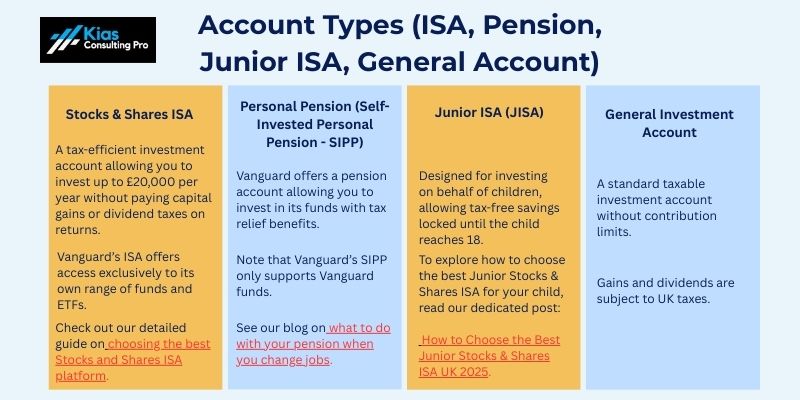
Vanguard’s UK platform provides a focused and straightforward selection of investment options suitable for a wide range of investors, from beginners to experienced savers. The main account types include:

 ISA Account Help:

Not sure which account to open? Learn more about Stocks and Shares ISAs and why they could be right for you in our guide:
How to Choose the Best Stocks and Shares ISA Platform

Junior ISA Insight:

Thinking about a Junior ISA for your child? Check out our step-by-step guide to choosing the best Junior Stocks & Shares ISA in the UK:
Junior ISA Guide


Within these accounts, Vanguard offers:

Vanguard review – account types: Stocks & Shares ISA, Personal Pension, Junior ISA, General Investment Account
Vanguard Account Options

If you are new to ISAs and wondering whether Stocks & Shares ISAs are worth it and how they fit into your financial plan, you might find our posts on Are Stocks and Shares ISAs Worth It? and The Tax-Free Secret: Why an ISA Should Be in Your Financial Plan useful.

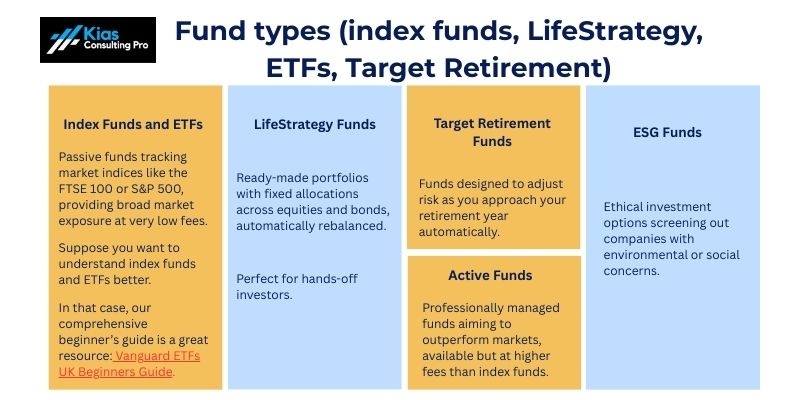
Vanguard review – fund types: index funds, LifeStrategy, ETFs, Target Retirement, ESG and active funds
Vanguard Fund Types Explained

Vanguard review: how to invest on Vanguard platform (3 simple steps)

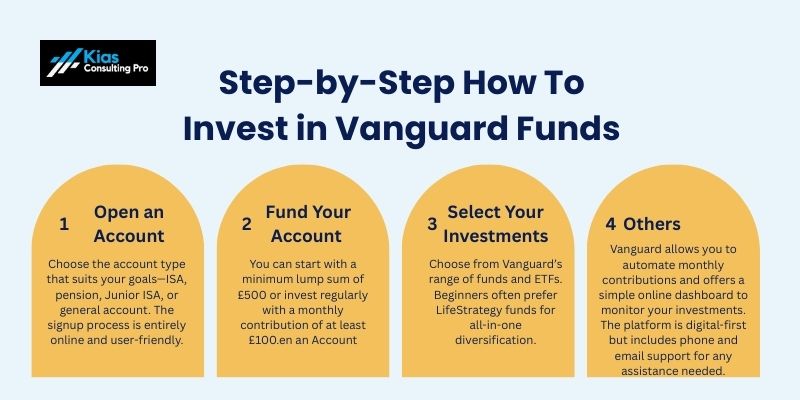
Getting started with Vanguard UK is simple:

  1. Open an Account: Choose the account type that suits your goals—ISA, pension, Junior ISA, or general account. The signup process is entirely online and user-friendly.
  2. Fund Your Account: You can start with a minimum lump sum of £500 or invest regularly with a monthly contribution of at least £100.
  3. Select Your Investments: Choose from Vanguard’s range of funds and ETFs. Beginners often prefer LifeStrategy funds for all-in-one diversification.
  4. Vanguard allows you to automate monthly contributions and offers a simple online dashboard to monitor your investments. The platform is digital-first but includes phone and email support for any assistance needed.
Vanguard review – step-by-step how to invest in Vanguard funds: open account, fund, select investments, automate

Vanguard’s Fee Structure in 2025

One of Vanguard’s strongest appeals is its low fee structure, but it’s essential to understand the recent changes:

Small Portfolio Fee Warning:

Note: Vanguard charges a minimum fee of £4 per month if your total investments are under £32,000. This is important to consider if you have a small portfolio.

These fees are transparent and competitive, especially for medium to large portfolios. However, the minimum monthly fee can be a consideration for smaller investors.

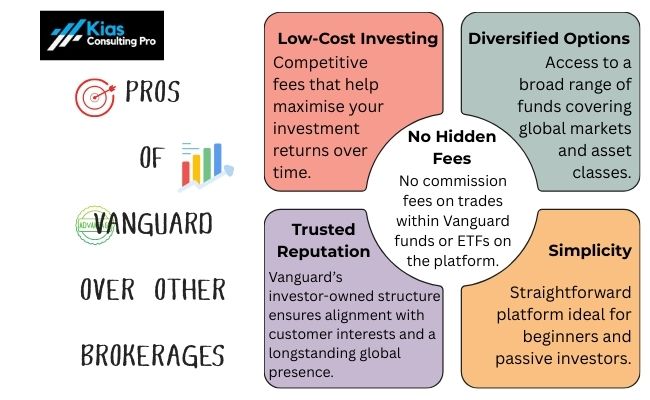
Pros of Vanguard Over Other Brokerages

Vanguard review – pros: low-cost investing, diversified options, trusted reputation, no hidden fees, simplicity
Vanguard: Key Advantages

Is Vanguard Suitable for Beginners?

Vanguard’s platform is widely regarded as beginner-friendly thanks to its intuitive design and emphasis on low-cost, diversified investing. The availability of LifeStrategy and Target Retirement funds makes it easy to adopt a set-and-forget strategy without needing to adjust your portfolio constantly.

However, small investors should consider the minimum monthly fee if their portfolio is below £32,000, which might make other fee-free platforms more attractive initially.

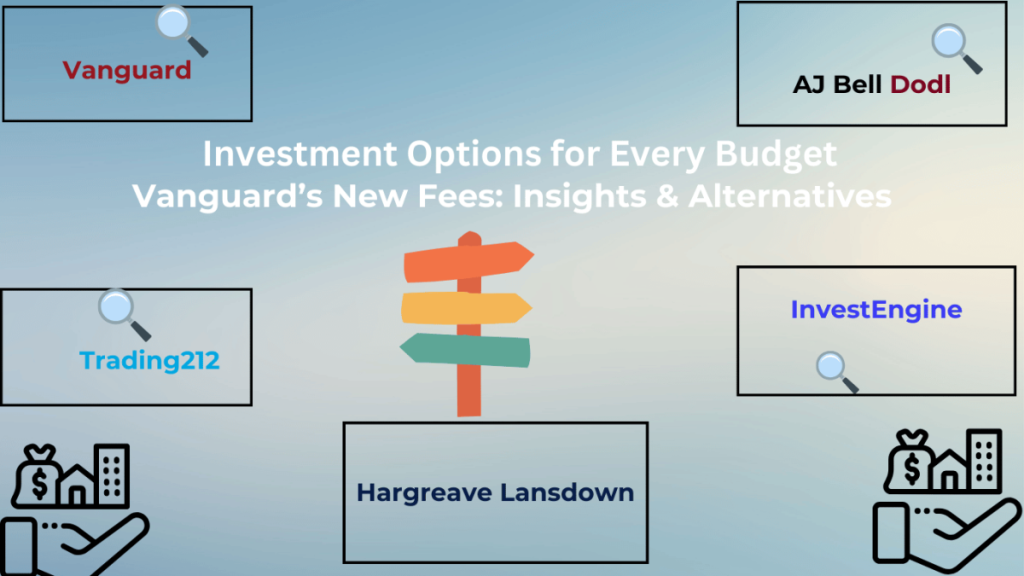
Alternatives to Vanguard for UK Investors

If Vanguard’s fee structure or limited product range doesn’t suit you, there are other reputable UK platforms worth exploring:

Choosing the right platform depends on your investment style, portfolio size, and whether you prefer managed services or self-directed investing.

Final Thoughts: Is Vanguard Right for You?

Vanguard remains a top contender in the UK investment market for investors seeking low-cost, simple, and reliable options.

Its broad fund range, investor-centric philosophy, and strong reputation make it especially well-suited for beginners and long-term investors.

However, consider your portfolio size and need for flexibility. If your investments are small and you do not plan to grow them rapidly, Vanguard’s minimum monthly fee could be a factor. Additionally, suppose you want to invest in individual stocks or require a platform with more advanced features. In that case, you may wish to complement Vanguard with another brokerage.

Book a 1:1 session for personalised guidance.

For investors with workplace pensions totalling over £32,000, it’s also worth considering consolidating pensions to reduce fees and simplify management. Learn more about transferring old workplace pensions in our post What to Do with Your Pension When You Change Jobs.

Ultimately, Vanguard offers a robust foundation for many UK investors, especially those focused on building wealth steadily and cost-effectively.

Ready to Take the Next Step?

If you want to optimise your investment strategy or need personalised advice on which platform or funds best suit your goals, contact me today for a consultation. Together, we can build a tailored plan to secure your financial future.

lifetime-isa-contribution-limits-and-bonus-2026-guide-kias-consulting-pro.jpg

Lifetime ISA Contribution Limits and Bonus Explained (2026 Guide)

Understanding Lifetime ISA contribution limits is crucial for maximising your savings in 2026. The annual limit of £4,000 determines how much government bonus you’ll receive—making it one of the most important aspects of your LISA strategy.

In this comprehensive guide, we explain everything you need to know about LISA contribution limits, including how the £4,000 annual cap works, how it fits within your overall £20,000 ISA allowance, and what happens if you contribute too much.

We’ll also explore practical strategies like monthly versus lump sum contributions, when to contribute for maximum growth, and how to coordinate your LISA with other ISAs. Plus, learn about the 2026 Budget update confirming limits remain frozen until 2031.

Whether you’re saving for your first home or planning for retirement, this guide will help you make the most of your Lifetime ISA contribution allowance and maximise your government bonus.

Read More »

Leave a Comment

Your email address will not be published. Required fields are marked *

Scroll to Top