

🌟 Why Budgeting Still Matters in 2025
Table of Contents
Toggle 💡 Budgeting Tip: This article shares general financial strategies and may not apply to all situations. Always review your needs or seek advice if unsure. Full disclaimer here.
You can’t build wealth on guesswork. A budget is more than a spreadsheet; it’s a financial roadmap showing exactly where your money goes and how it serves your goals.
Whether you want to save for a home, pay off debt, or start investing, budgeting gives you the clarity to make confident decisions.
Without a plan:
- Building an emergency fund feels impossible,
- Paying off debt becomes reactive,
- And investing feels risky rather than rewarding.
💡 If you haven’t already, explore these guides alongside this one:
🧭 Step 1: Understand What a Budget Really Is
A budget isn’t about restriction; it’s about intentional living. It gives every pound a job and ensures your spending aligns with your priorities.
The best budget is one that you’ll actually stick with. Here are three proven methods:
1. Zero-Based Budgeting: Every pound you earn is allocated somewhere, expenses, savings, or investing. Nothing sits idle.
2. 50/30/20 Rule: Spend 50% on needs, 30% on wants, and 20% on savings or debt repayment.
3. Envelope System: Divide cash (or digital categories) into spending envelopes. When one runs out, you stop spending.
Each system can work; it’s about finding the rhythm that matches your lifestyle.
📝 Step 2: How to Create a Budget That Works
1. List all income sources. Include salary, side hustles, benefits, or freelance work.
2. Track your expenses. Review your bank statements for at least three months.
3. Categorise spending. Split into needs, wants, and goals.
4. Assign limits. Use realistic amounts; if you overspend in one category, reduce another.
5. Plan savings and debt repayments first. Automate transfers the moment income arrives.
6. Review weekly. The key is consistency, not perfection.
💡 Tip: Build a small £100 – £200 “budget buffer.” It protects you from unplanned spending or small emergencies.
💻 Step 3: Choose the Right Tools for the Job
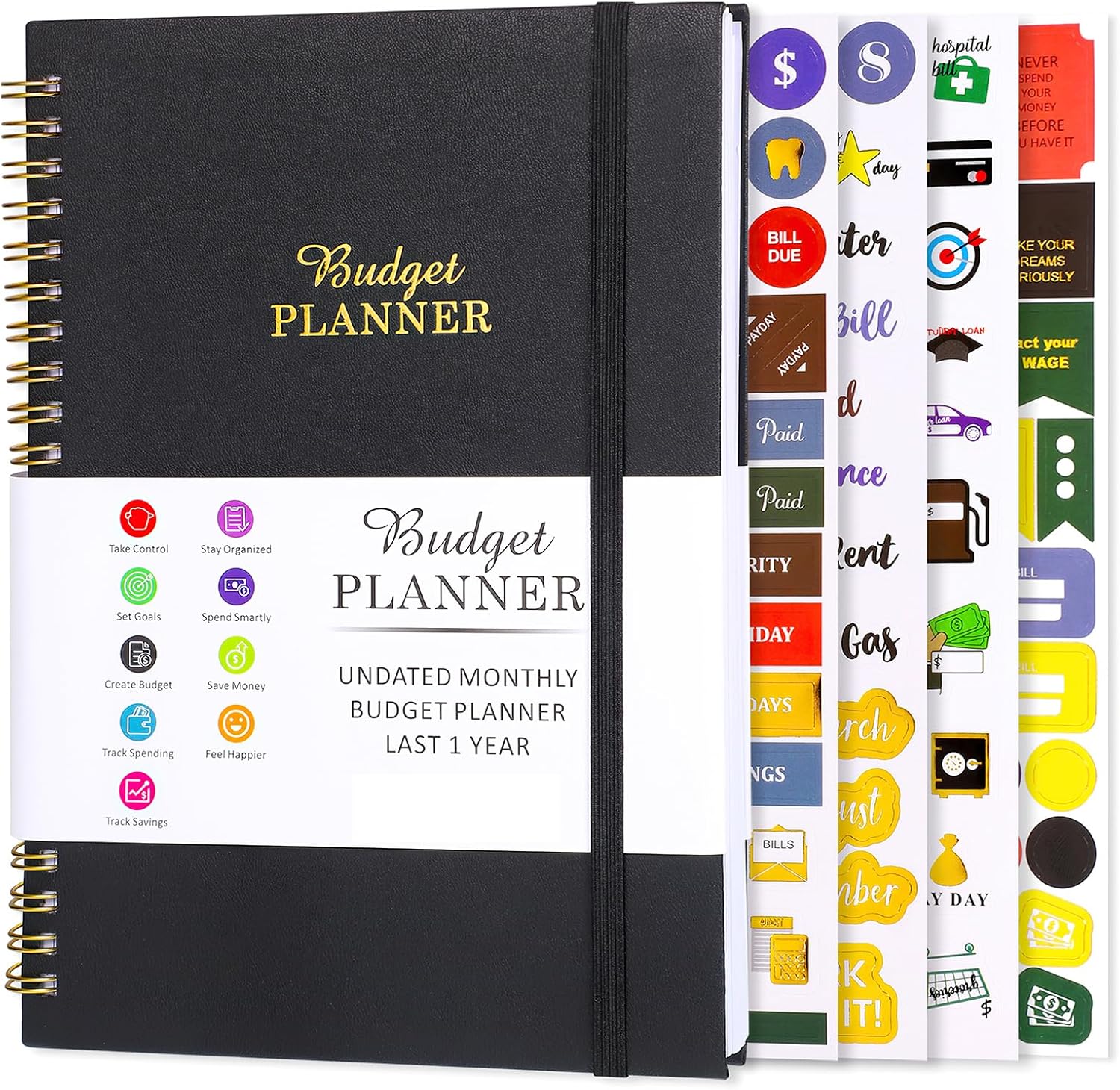
Once you’ve set your structure, the right tool can make budgeting simple and even enjoyable. Below are some of the best planners and tools for 2025.
🔗 Affiliate Disclosure: This post contains affiliate links. This means we may earn a small commission at no extra cost to you. Read our full Affiliate Disclosure for more information.
💰 6. Cash Envelope Budgeting System Kit
Best for: Visual savers who prefer handling physical cash.
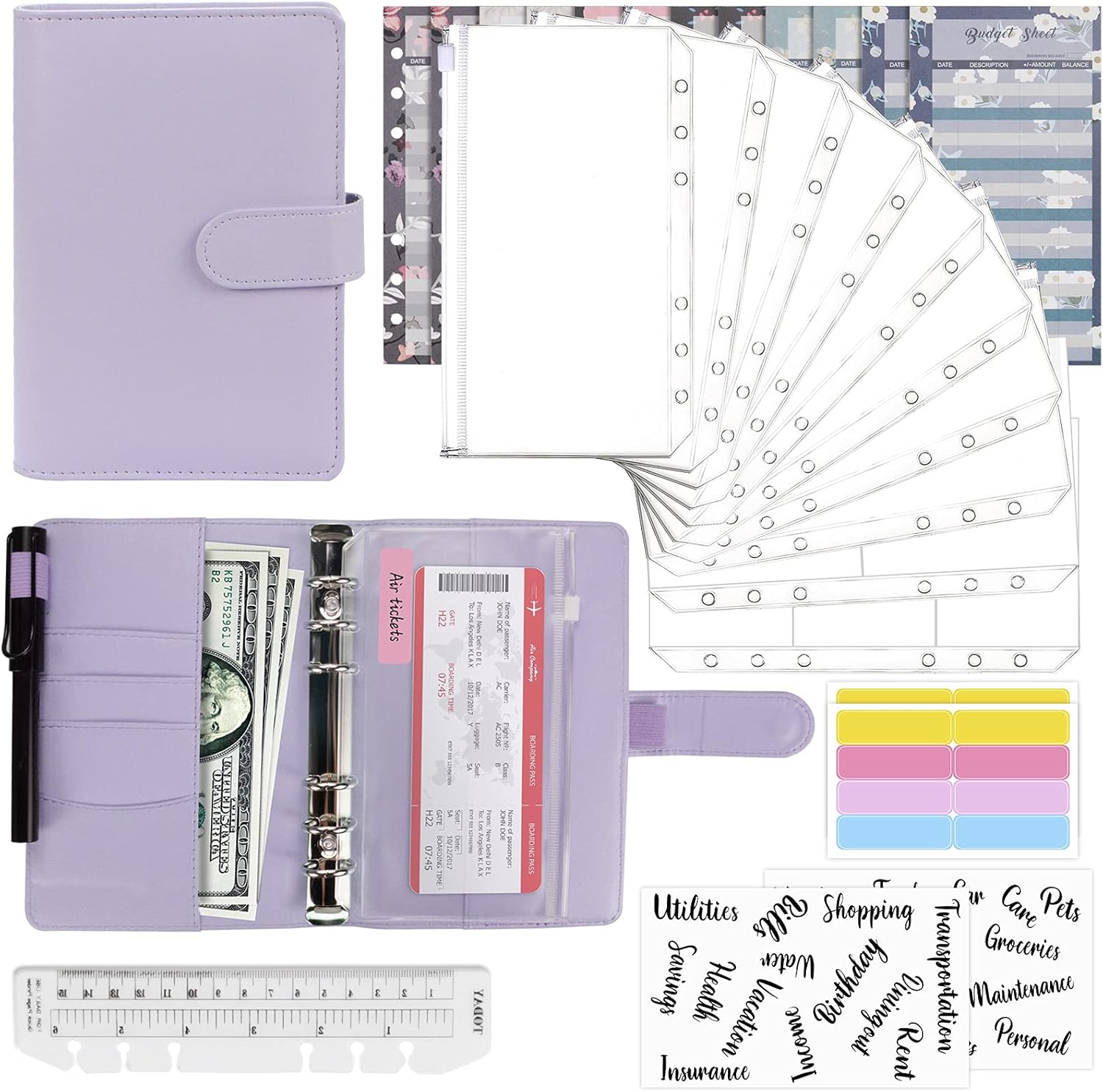
Label envelopes for categories like groceries, transport, or fun money. When an envelope is empty, spending stops, making it one of the simplest ways to curb overspending. 💡 Combine it with your expense tracker notebook for a complete paper-based system.

🔁 Step 4: Make Your Budget Stick
Even the best tools won’t help if you don’t use them. Here’s how to stay consistent:
1. Set a weekly money check-in. Ten minutes every Sunday to review your spending.
2. Adjust, don’t abandon. Overspent on one category? Re-balance next month’s plan.
3. Track progress visually. Charts and trackers build motivation.
4. Celebrate small wins. Every month you stay on budget is progress.
If motivation dips, remind yourself that budgeting is the foundation for financial independence, not a punishment.
🧠 Step 5: Troubleshoot Common Budgeting Challenges
Challenge | Practical Fix |
Income varies monthly | Base your budget on an average of the last 3 months and prioritise fixed expenses first. |
Constant overspending | Use cash envelopes or weekly transfer limits to your current account. |
Forget to track | Set automatic bank alerts for spending over £20 or use your planner’s reminder section. |
Too many goals | Focus on one primary goal (e.g., debt repayment) for 90 days before adding another. |
💬 Final Thoughts
Budgeting isn’t about perfection, it’s about progress and control.
When you give your money direction, everything else falls into place: your savings grow, debt decreases, and you gain the freedom to plan your future with confidence.
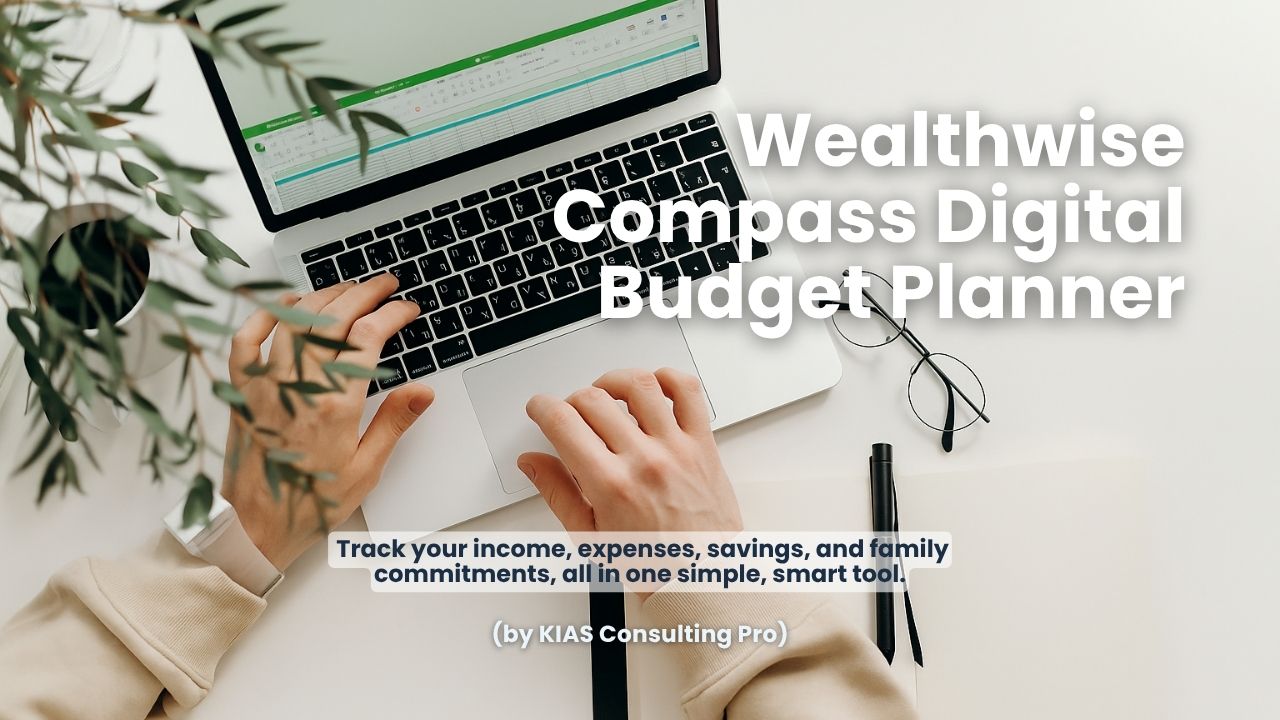
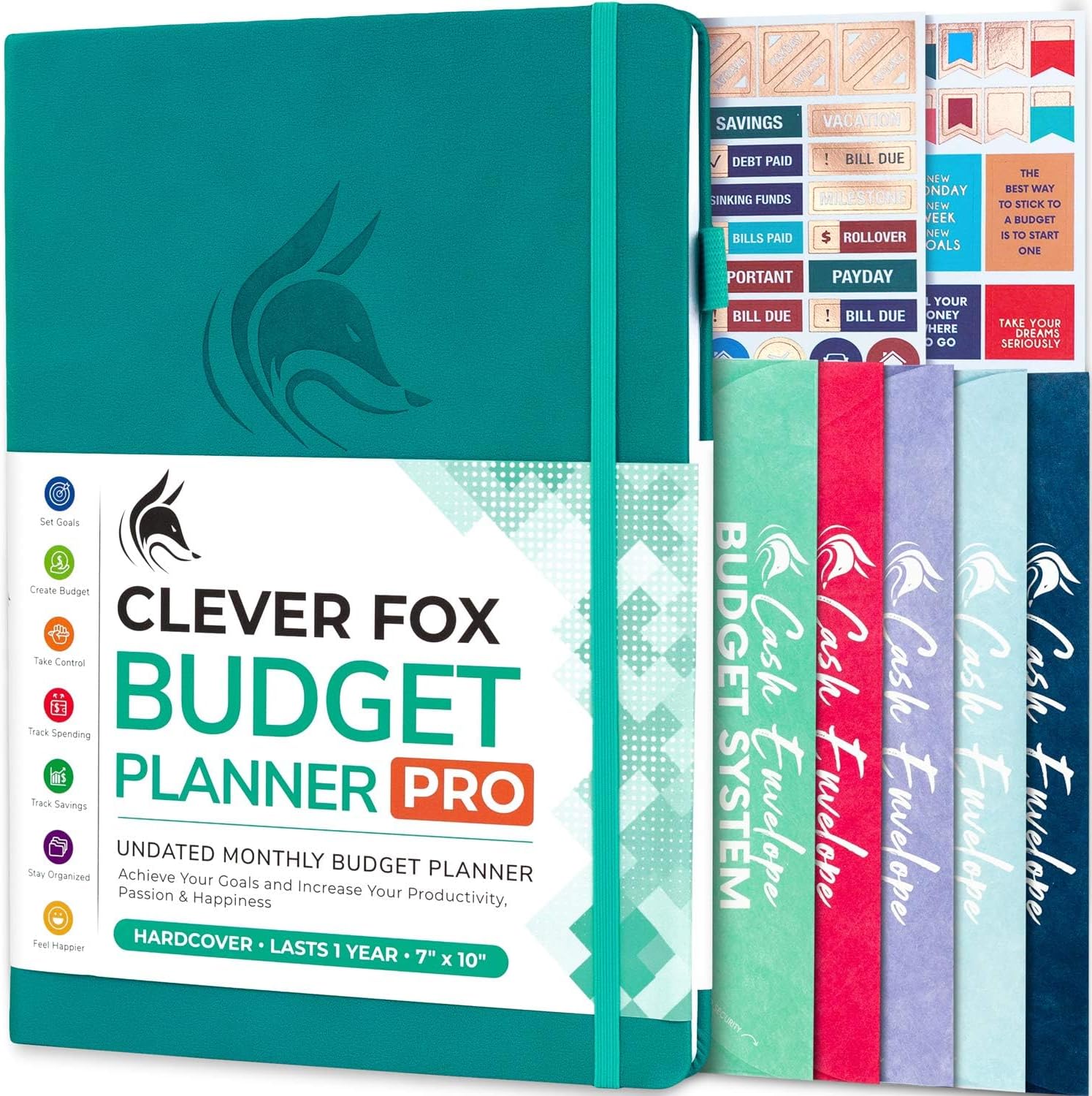
Whether you prefer a digital planner like the Wealthwise Compass Digital Budget Planner or a classic Clever Fox notebook, the secret lies in staying consistent.
🌟 Take the first step today. Create your budget, choose your favourite tool, and give every pound a purpose.

Lifetime ISA Contribution Limits and Bonus Explained (2026 Guide)
Understanding Lifetime ISA contribution limits is crucial for maximising your savings in 2026. The annual limit of £4,000 determines how much government bonus you’ll receive—making it one of the most important aspects of your LISA strategy.
In this comprehensive guide, we explain everything you need to know about LISA contribution limits, including how the £4,000 annual cap works, how it fits within your overall £20,000 ISA allowance, and what happens if you contribute too much.
We’ll also explore practical strategies like monthly versus lump sum contributions, when to contribute for maximum growth, and how to coordinate your LISA with other ISAs. Plus, learn about the 2026 Budget update confirming limits remain frozen until 2031.
Whether you’re saving for your first home or planning for retirement, this guide will help you make the most of your Lifetime ISA contribution allowance and maximise your government bonus.

Will the Lifetime ISA Be Scrapped? Everything We Know About the 2028 Changes
Is the Lifetime ISA being scrapped? Learn what the proposed 2028 changes mean, what stays the same, and how to protect your bonus, retirement options, and home-buying plans.

Hargreaves Lansdown Fee Changes March 2026: What You Really Need to Know
A 515-character summary explaining the key changes (0.45% → 0.35% platform fees, new £1.95 fund charge) and positioning the article as a guide to help readers calculate their impact and decide whether to stay or switch.

Capital Gains Tax on Property in the UK (2025/26)
Capital gains tax on property in the UK can apply when selling a buy-to-let, second home, or inherited property. This 2025/26 guide explains the rules, Private Residence Relief, allowable costs, and the 60-day reporting deadline.

How to Reduce Capital Gains Tax Legally in the UK (2025/26): 10 Strategies That Can Help
Learn how to reduce Capital Gains Tax legally in the UK for 2025/26. 10 practical CGT strategies, clear examples, and a free CGT calculator.

Capital Gains Tax UK: How Much Will You Pay When You Sell an Asset?
Capital Gains Tax can apply when you sell property, shares, or crypto in the UK. This guide explains how CGT works and helps you estimate what you might owe before you sell.

How to Build Your Credit Score in the UK (2026): Cards, Apps & Smart Money Habits
A practical 2026 guide on how to build your credit score in the UK using credit cards, apps and smart money habits, without damaging your finances.

Investment Fees Explained: The Real Cost of Investing (and How to Pay Less in 2025)
Investment fees can quietly shrink your long-term returns. This simple UK guide explains the main types of fees, how they affect your portfolio, and practical ways to reduce costs in 2025 so more of your money stays invested for your future.