
Professional woman in a suit walking confidently, with title text: Why I Took My Case to the Financial Ombudsman – A Step-by-Step Guide.

How to Raise a Complaint to the UK Financial Ombudsman (With Real-Life Example)

Introduction: Why I Took My Case to the Financial Ombudsman


📈 Investing Notice: This content is for informational purposes only and not investment advice. Investments can go up and down in value. Always do your own research and seek advice from a regulated professional. See full disclaimer.


🔗 Affiliate Disclosure: This post contains affiliate links. This means we may earn a small commission at no extra cost to you. Read our full Affiliate Disclosure for more information.


When you trust a financial provider with your money, especially your pension, you expect clarity, accuracy, and accountability.

Unfortunately, that wasn’t my experience when I transferred my SIPP from Vanguard to InvestEngine. What should have been a straightforward transfer turned into nearly six months of delays, missing funds, and miscommunication.

In this blog post, I’ll walk you through the full journey,  from raising a complaint to getting a resolution through the Financial Ombudsman.

Whether you’re facing a similar issue or just want to understand your rights, this step-by-step guide will help.

What Is the Financial Ombudsman Service?

The Financial Ombudsman Service (FOS) is a free, independent service set up by the UK government to resolve disputes between consumers and financial businesses. You can complain about banks, pension providers, investment platforms, insurance companies, and more.

If you’ve complained to a financial firm and they haven’t resolved it within 8 weeks (or their final response isn’t satisfactory), you can escalate your case to the Ombudsman.

What I Was Dealing With

In December 2024, Vanguard announced a structural change in their fees: from 31 January 2025, customers with combined Vanguard accounts valued under £32,000 would be subject to a £4 monthly account fee (i.e. £48/year). Read more about Vanguard’s 2025 fee update here: Vanguard’s New Fees Explained (2025)

Before this change, Vanguard applied a 0.15% annual account fee (capped at £375).

Because my SIPP fell under that threshold, the new fixed fee would disproportionately affect my returns, especially on a smaller balance. So, I decided to move to InvestEngine, which offered a fee structure that (at the time) seemed more favourable for smaller portfolios.

But what followed was months of back and forth:

Eventually, I had to raise formal complaints with both platforms.

Timeline of Events (Visual Summary)

Date

Event

Dec 2024

I initiated the SIPP transfer from Vanguard to InvestEngine

Jan–Feb 2025

Initial delays from InvestEngine in starting the transfer

18 Mar 2025

Vanguard told me I still had over £5,000 cash remaining

Apr 2025

I raised a formal complaint with Vanguard and InvestEngine

16 June 2025

Final cash from Vanguard arrived in the InvestEngine account

July 2025

The Ombudsman opened both cases

Aug 2025

InvestEngine offered £200 after the investigation

Sept 2025

Vanguard gave £250, but the case is still under review after my counteroffer

🧭 Why I Chose to Transfer

I’ve always been an advocate for Vanguard due to their low fees and solid index fund choices. But once my pension pot dropped below £32,000, I reconsidered the fees in proportion to my balance.

As a financial coach, I’m passionate about reducing hidden investment costs, and the InvestEngine SIPP, with zero platform fees for ETFs, seemed like a sensible switch.

Unfortunately, this was the start of a long and stressful journey.

🧨 Where It All Went Wrong

The transfer didn’t go as expected.

InvestEngine initially stated that they’d received all the funds, but I noticed a significant shortfall. Vanguard told me everything had been sent. Later, they claimed the missing funds were still invested in two funds.

Eventually, Vanguard acknowledged the mistake and sent the rest, but by this point, months had passed.

Meanwhile, InvestEngine delayed initiating the transfer for four weeks and failed to follow up on the missing funds. It took multiple emails from me just for them to understand the complaint.

🛠️ Want Help Writing Your Complaint?

Step-by-Step: How to Raise a Complaint to the Financial Ombudsman

If you’re in a similar situation, here’s the exact process I followed:

Step 1: Complain to the Company First

Before the Ombudsman can step in, you must complain directly to the business. They have up to 8 weeks to respond.

Tip: Always submit your complaint in writing and request confirmation of receipt. Be clear, concise, and include dates and evidence.

Step 2: Wait for Their Final Response (or 8 Weeks)

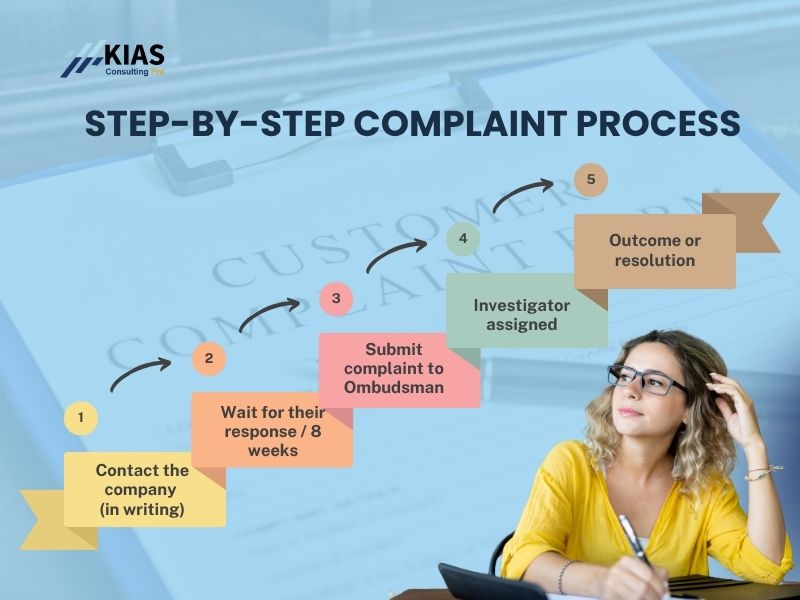
Visual showing complaint steps: contact company, wait 8 weeks, complain to ombudsman, get investigator, outcome/resolution.
How the Complaint Process Works

Step 3: File Your Complaint With the Financial Ombudsman

You can complain via:

You’ll need:

Step 4: Case Is Assigned to an Investigator

An investigator will contact you. Be honest, clear, and cooperative. They will also contact the business.

My Experience: The Outcome

InvestEngine:

Vanguard:

Key Lessons and Takeaways

  1. Fees Aren’t Everything: While I moved for lower fees, the stress and delays taught me to also value service quality.

  2. Document Everything: Emails, screenshots, dates – all of it helps support your case.

  3. The Ombudsman Works: It took time, but I got results. Don’t give up.

  4. Raise Concerns Early: Don’t wait until the situation escalates – flag discrepancies immediately.

Not All Insurance Complaints Are Eligible: Here’s What Happened to Me

Quick Tip:

Only insurance providers regulated by the Financial Conduct Authority (FCA) fall under the Financial Ombudsman Service.

Unfortunately, not all companies that look like insurers are regulated insurers.


Take my recent experience with a company called Domestic Appliance Guard. I paid for cover on my home appliances, including my oven. When my oven broke, their engineer confirmed it was repairable. However, the company refused to fix it and instead offered a small settlement of £35.80, despite the fact that I ultimately had to pay over £400 to replace it.

When I tried to escalate the issue, I was told that they are not a regulated insurance firm and, therefore, not covered by the Financial Ombudsman. They even tried to enforce an automatic policy renewal.

📞 After multiple ignored emails, they kept calling, and only backed down after my husband called to reject the auto-renewal.

⚠️ Lesson learned:

Just because something sounds like insurance doesn’t mean it is.

Always check if the company is FCA regulated before buying a policy, especially with appliance cover, extended warranties, and home emergency services.

Who Can You Complain About?

You can raise complaints to the Financial Ombudsman about:

Graphic listing financial service providers you can complain about: banks, pensions, investments, insurance, loans, and credit cards.
Who You Can Raise Complaints About

🚫 But be cautious:

🛠️ Want Help Writing Your Complaint?

🎁 Free Download: Complaint Email Template
Want a head start on raising your own complaint?

👉 Click here to download my free complaint email template. It’s a professional email you can customise and send to your provider today.

(And yes, it includes a section for requesting a fair resolution and logging emotional distress as well.)

Final Thoughts

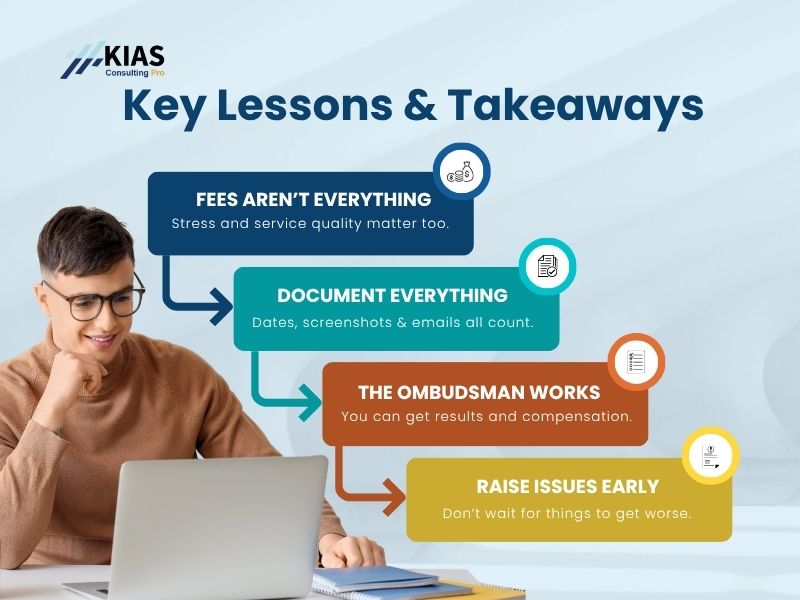
Graphic listing key lessons from a Financial Ombudsman complaint: Fees aren’t everything, Document everything, The ombudsman works, Raise issues early.
Key Takeaways from the Process


I hope my experience helps you feel confident in taking the right steps if things go wrong.

Let me know in the comments if you’ve had a similar issue, or if you need help understanding the process.

📩 You can also subscribe to my newsletter for free tools, financial tips, and consumer rights guides.

Header image for blog post UK Bank Switching 2025: The Best Easy Direct Debit Options. Includes guide highlights like charity donations, Plum, and PayPal.

UK Bank Switching 2025: The Best Easy Direct Debit Options

Looking to grab a UK bank switching bonus in 2025 but don’t have enough bills to set up the required direct debits? Don’t worry, there are quick, low-cost “dummy” options that work just as well. From £1 charity donations to Plum’s weekly depositor and PayPal direct debits, this guide walks you through the easiest ways to qualify, step by step, without breaking the bank.
Read More »

Leave a Comment

Your email address will not be published. Required fields are marked *

Scroll to Top