



💳 Debt Support Notice: This blog shares general debt-management tips only. For free, personalised support, visit StepChange or MoneyHelper. Table of Contents
If you’re wondering how to build your credit score in the UK, the answer isn’t quick fixes or constant applications; it’s understanding how credit works and using it intentionally, and I know building your credit score can be confusing, especially when it seems to change without warning.
One month, it improves; the next, it drops.
And suddenly you’re left wondering whether you’ve done something wrong.
The truth is this: credit scores respond to behaviour, not effort.
And improving them isn’t about shortcuts, hacks, or constantly applying for new products.
It’s about understanding how the system works and using it intentionally.
This guide explains how to build your credit score in the UK in 2026, including:
- What actually affects your score
- When credit cards and credit builder apps help (and when they don’t)
- The biggest mistakes people make without realising
- A calm, practical framework you can follow, even if you’re rebuilding from scratch
If debt is currently holding your credit score back, reducing balances is often the fastest place to start.
How Credit Scores Work in the UK
This is a brief refresher, but an important one, especially if you’re rebuilding your credit.
Your credit score is a numerical summary of how lenders may assess your creditworthiness.
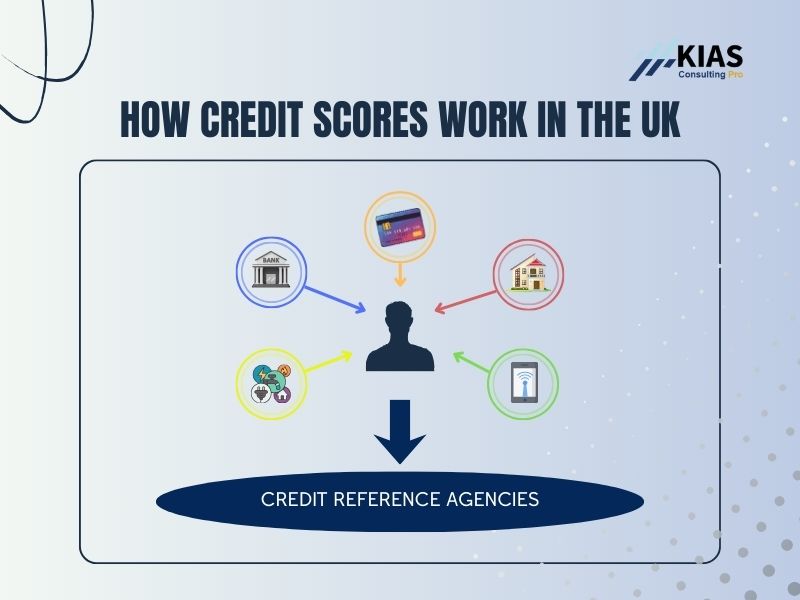
In the UK, credit information is collected and maintained by credit reference agencies, using data supplied by:
- Sell a second home or buy-to-let property
- Credit card providers
- Utility companies
- Mobile phone networks
- Local councils (for council tax and electoral roll data)

What Factors Influence Your Credit Score?
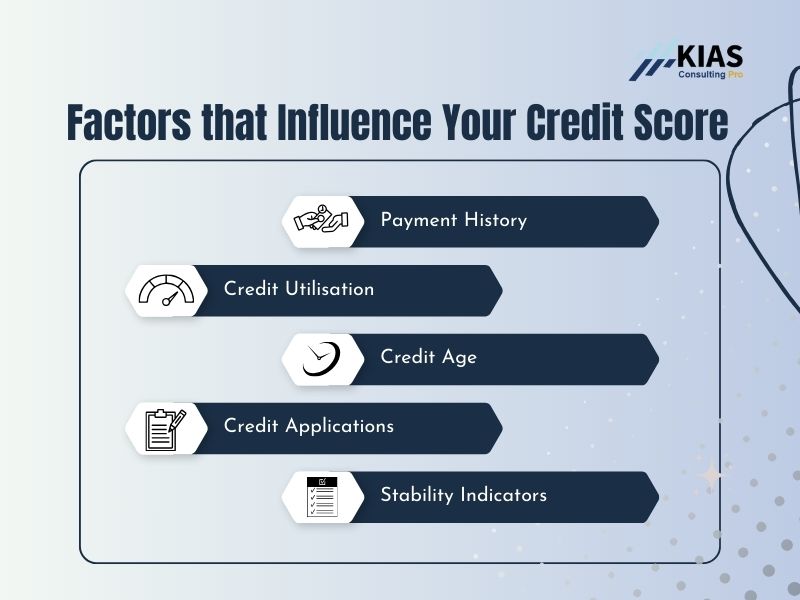
While each agency uses its own scoring model, most look at similar factors:
1. Payment History
Have you paid credit commitments on time?
Missed or late payments are one of the strongest negative signals.
2. Credit Utilisation
How much of your available credit are you using?
High utilisation (especially above 50%) often signals risk.
3. Length of Credit History
Older, well-managed accounts generally help your score.
4. Credit Applications
Frequent applications in a short period can temporarily lower your score.
5. Stability Indicators

Being registered on the electoral roll and having a consistent address history matter more than many people realise.
Credit scores can vary across agencies; this is normal and not something to worry about.
If you want a full breakdown of how the system works behind the scenes, you can read this detailed guide here:
Can You Improve Your Credit Score Quickly?
This is one of the most searched questions, and the honest answer is:
Sometimes, but not always.
Credit scores can react quickly to changes in balances or applications, which is why people often see sudden movement.
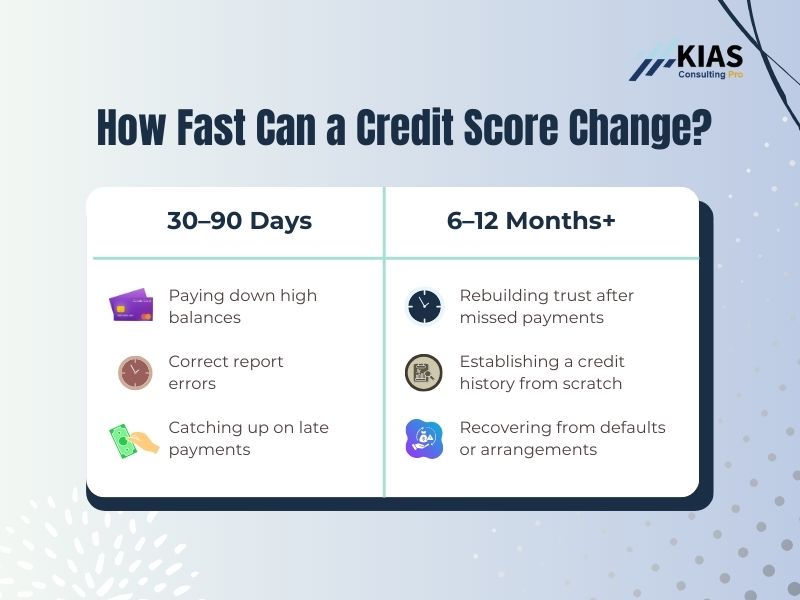
What Can Improve Your Score Relatively Quickly (30-90 Days)
- Paying down high balances
- Bringing utilisation below 50%, then below 30%
- Catching up on late payments
- Correcting errors on your credit report

What Takes Longer (6-12 Months+)
- Rebuilding trust after missed payments
- Establishing a credit history from scratch
- Recovering from defaults or arrangements
If you’ve ever checked your score and thought, “Why did that change so fast?” this video explains the most common reasons clearly and simply:
🎥 Why Did My Credit Score Change So Fast?
What Doesn’t Work (Common Myths)
- Closing old accounts to “clean things up”
- Applying for multiple cards at once
- Paying for “credit repair” gimmicks
- Constantly checking your score and reacting emotionally.
If you’ve ever checked your score and thought, “Why did that change so fast?” this video explains the most common reasons clearly and simply:
🎥 Why Did My Credit Score Change So Fast?
Credit Builder Cards: What They Are & Who They’re For
Credit builder cards are designed for people who:
- Have limited or no credit history
- Have past missed payments.
- Are rebuilding after debt or financial difficulty
They typically come with:
- Lower credit limits
- Higher interest rates
- Fewer rewards or perks
How Credit Builder Cards Help (When Used Properly)
Used intentionally, they can:
- Small, manageable spending
- Paid off in full every month
- Never treated as extra income
Who Should Consider a Credit Builder Card?
- People with thin credit files
- Those who’ve cleared debt and want to rebuild
- Individuals who can comfortably repay monthly
Who Should Avoid Them (For Now)
- Anyone carrying high-interest balances
- Those relying on credit to cover essentials
- People without a clear repayment plan
If you’re still juggling balances, reducing debt often improves your score faster than opening new credit.
👉 Start with the Debt Reset Tool before applying for anything new.
This video explains why avoiding credit cards altogether can also cause problems, and how to think about them as tools rather than temptations:
🎥 How Skipping Credit Cards Could Cost You Big
Credit Builder Apps: Are They Worth It in 2026?
Credit builder apps have grown in popularity, especially among people hesitant to use traditional credit cards.
They typically work by:
- Charging a monthly fee or a small contribution
- Reporting regular payments as credit activity
Potential Benefits
- Lower barrier to entry
- Predictable, fixed costs
- Can help establish payment history
Limitations to Be Aware Of
- Fees can add up over time.
- Limited impact compared to mainstream credit
- Not always recognised equally by lenders
Credit builder apps can be useful stepping stones, but they are not substitutes for healthy financial habits.
Hard vs Soft Credit Checks (And Why This Matters)
Understanding credit checks helps prevent unnecessary score drops.
Hard Credit Checks
- Occur when you formally apply for credit
- Temporarily affect your score.
- Visible to lenders
Soft Credit Checks
- Used for eligibility checks
- Credit monitoring
- Do not affect your score.
Best Practice Before Applying
- Always use eligibility checkers.
- Apply for one product at a time.
- Space out applications
This approach protects your score while you rebuild.
The Biggest Credit-Building Mistakes People Make
Many people struggle with credit, not because they’re careless, but because they were never taught how the system works.
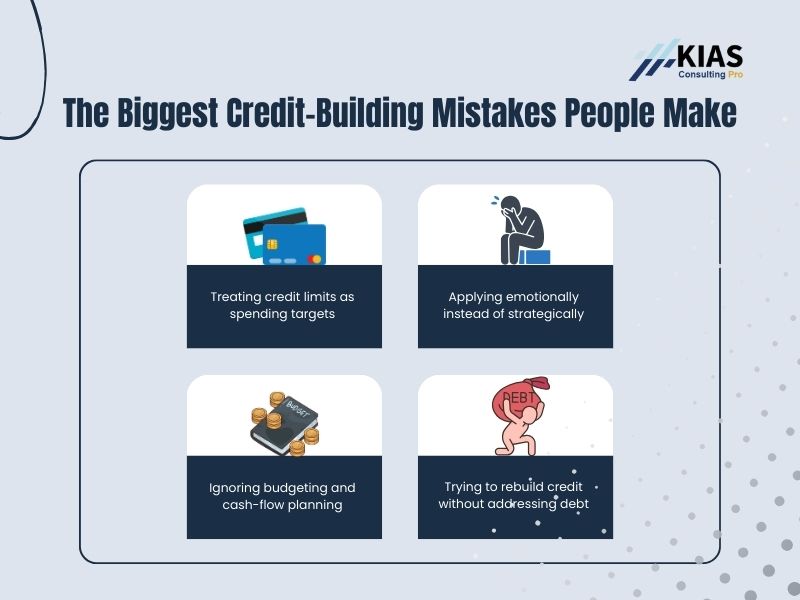
Common mistakes include:
- Treating credit limits as spending targets
- Applying emotionally instead of strategically
- Ignoring budgeting and cash-flow planning
- Trying to rebuild credit without addressing debt
This is why structure matters more than products.

A Smarter, Sustainable Way to Build Credit
Rather than chasing short-term fixes, use this three-step framework.
Step 1: Stabilise Your Cash Flow
When income and expenses are predictable, reliance on credit naturally reduces.
A clear, realistic budget:
- Prevents missed payments
- Reduces utilisation
- Improves confidence
👇 Use the Wealthwise Compass Digital Budget Planner to create clarity and control.
Step 2: Reset High-Interest Debt
High balances can quietly hold your credit score back, even if you’ve never missed a payment.
Reducing debt:
- Improves utilisation
- Lowers financial stress
- Creates space to rebuild properly
👇 Use the Debt Reset Tool to prioritise repayments strategically.
Step 3: Rebuild Credit Intentionally
Once foundations are stable:
- Choose one suitable product
- Keep utilisation low: preferably below 30% of the credit limit.
- Pay on time, every time.
- Give it time. Consistency matters more than speed.
Do You Actually Need a Credit Score?
This question doesn’t get asked often enough.
You typically need credit for:
- Mortgages
- Car finance
- Some mobile or utility contracts
You don’t need credit to:
- Build savings
- Invest responsibly
- Achieve financial stability
A strong financial life is built on systems, not scores.
Credit is a tool, not the finish line.

Q: How long does it take to rebuild credit in the UK?
It depends on the starting point, but most people see meaningful improvement within 6-12 months of consistent behaviour.
Q: Can I build credit without a credit card?
Yes, but progress is often slower. Credit cards remain one of the most widely recognised forms of credit reporting.
Q: Will checking my credit score lower it?
No. Checking your own credit report is a soft check and does not affect your score.
Q: Is one missed payment permanent?
No. Its impact reduces over time, especially if followed by consistent on-time payments.

A good credit score can open doors, but it’s not the destination.
Real financial progress comes from:
- Stability
- Structure
- Calm, informed decisions
When you focus on those, your credit score usually improves as a by-product.
Helpful Tools
✔️ Clear debt strategically → Debt Reset Tool
✔️ Build clarity and control → Wealthwise Compass Digital Budget Planner
💳 Debt Support Notice: This blog shares general debt-management tips only. For free, personalised support, visit StepChange or MoneyHelper.
Get the Budget Planner

Ready to Secure Your Financial Future?
Book a Free 30-Minute Session
Lifetime ISA Contribution Limits and Bonus Explained (2026 Guide)
Understanding Lifetime ISA contribution limits is crucial for maximising your savings in 2026. The annual limit of £4,000 determines how much government bonus you’ll receive—making it one of the most important aspects of your LISA strategy.
In this comprehensive guide, we explain everything you need to know about LISA contribution limits, including how the £4,000 annual cap works, how it fits within your overall £20,000 ISA allowance, and what happens if you contribute too much.
We’ll also explore practical strategies like monthly versus lump sum contributions, when to contribute for maximum growth, and how to coordinate your LISA with other ISAs. Plus, learn about the 2026 Budget update confirming limits remain frozen until 2031.
Whether you’re saving for your first home or planning for retirement, this guide will help you make the most of your Lifetime ISA contribution allowance and maximise your government bonus.

Will the Lifetime ISA Be Scrapped? Everything We Know About the 2028 Changes
Is the Lifetime ISA being scrapped? Learn what the proposed 2028 changes mean, what stays the same, and how to protect your bonus, retirement options, and home-buying plans.

Hargreaves Lansdown Fee Changes March 2026: What You Really Need to Know
A 515-character summary explaining the key changes (0.45% → 0.35% platform fees, new £1.95 fund charge) and positioning the article as a guide to help readers calculate their impact and decide whether to stay or switch.

Capital Gains Tax on Property in the UK (2025/26)
Capital gains tax on property in the UK can apply when selling a buy-to-let, second home, or inherited property. This 2025/26 guide explains the rules, Private Residence Relief, allowable costs, and the 60-day reporting deadline.

How to Reduce Capital Gains Tax Legally in the UK (2025/26): 10 Strategies That Can Help
Learn how to reduce Capital Gains Tax legally in the UK for 2025/26. 10 practical CGT strategies, clear examples, and a free CGT calculator.

Capital Gains Tax UK: How Much Will You Pay When You Sell an Asset?
Capital Gains Tax can apply when you sell property, shares, or crypto in the UK. This guide explains how CGT works and helps you estimate what you might owe before you sell.