


how to build your credit score in the UK using cards, apps and smart money habits

How to Build Your Credit Score in the UK (2026): Cards, Apps & Smart Money Habits

💳 Debt Support Notice: This blog shares general debt-management tips only. For free, personalised support, visit StepChange or MoneyHelper.

Table of Contents

If you’re wondering how to build your credit score in the UK, the answer isn’t quick fixes or constant applications; it’s understanding how credit works and using it intentionally, and I know building your credit score can be confusing, especially when it seems to change without warning.

One month, it improves; the next, it drops.


And suddenly you’re left wondering whether you’ve done something wrong.

The truth is this: credit scores respond to behaviour, not effort.
And improving them isn’t about shortcuts, hacks, or constantly applying for new products.

It’s about understanding how the system works and using it intentionally.

This guide explains how to build your credit score in the UK in 2026, including:


If debt is currently holding your credit score back, reducing balances is often the fastest place to start.


How Credit Scores Work in the UK

This is a brief refresher, but an important one, especially if you’re rebuilding your credit.

Your credit score is a numerical summary of how lenders may assess your creditworthiness.

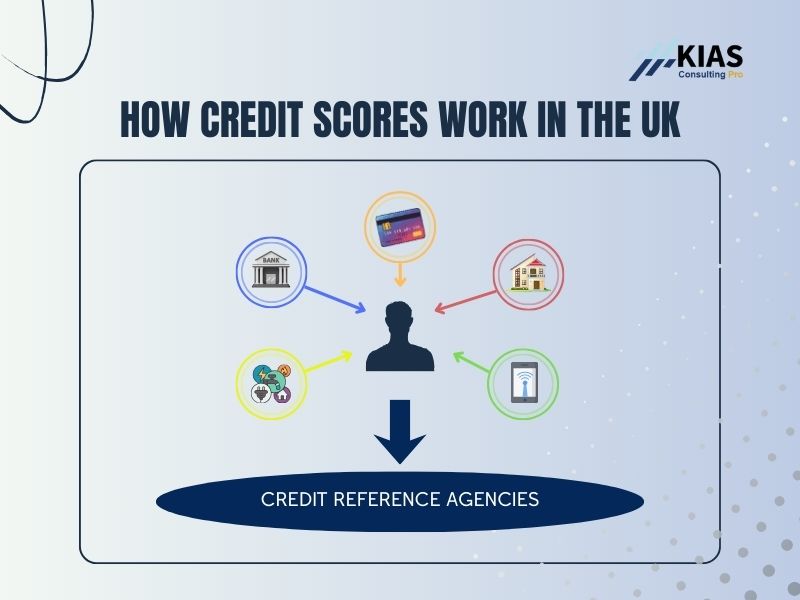
In the UK, credit information is collected and maintained by credit reference agencies, using data supplied by:


Diagram showing how banks, credit cards, utilities and councils report information to UK credit reference agencies

What Factors Influence Your Credit Score?


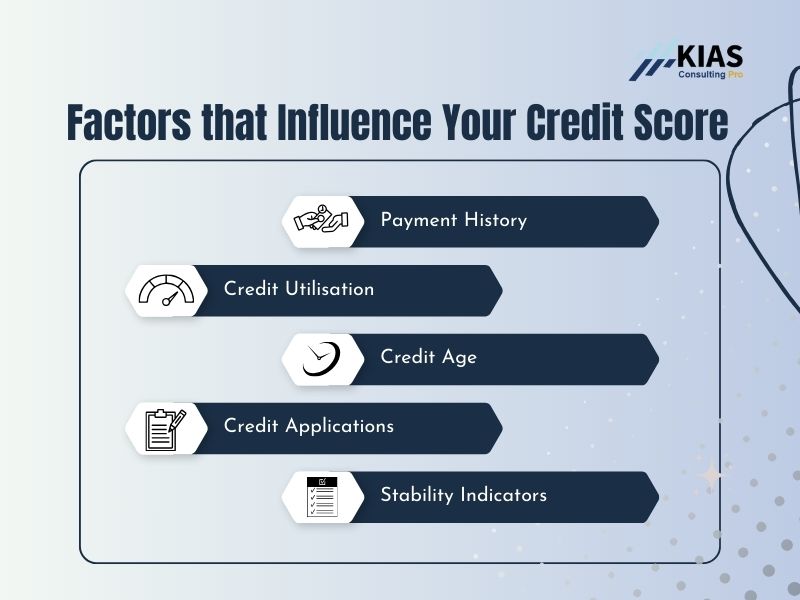
While each agency uses its own scoring model, most look at similar factors:

1. Payment History

Have you paid credit commitments on time?
Missed or late payments are one of the strongest negative signals.

2. Credit Utilisation

How much of your available credit are you using?
High utilisation (especially above 50%) often signals risk.

3. Length of Credit History

Older, well-managed accounts generally help your score.

4. Credit Applications

Frequent applications in a short period can temporarily lower your score.

5. Stability Indicators

Key factors that influence your credit score including payment history, credit utilisation, credit age and applications
What affects your credit score

Being registered on the electoral roll and having a consistent address history matter more than many people realise.


Credit scores can vary across agencies; this is normal and not something to worry about.


If you want a full breakdown of how the system works behind the scenes, you can read this detailed guide here:

👉 How Do Credit Reference Agencies Work in the UK?

Can You Improve Your Credit Score Quickly?


This is one of the most searched questions, and the honest answer is:

Sometimes, but not always.

Credit scores can react quickly to changes in balances or applications, which is why people often see sudden movement.

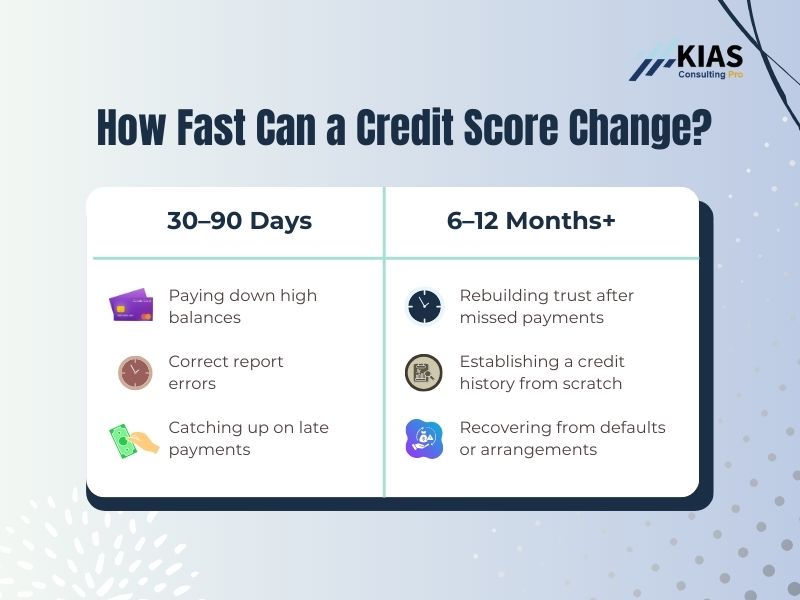
What Can Improve Your Score Relatively Quickly (30-90 Days)

Timeline showing how quickly a UK credit score can change from 30 days to over 12 months
How quickly credit scores can change

What Takes Longer (6-12 Months+)

If you’ve ever checked your score and thought, “Why did that change so fast?” this video explains the most common reasons clearly and simply:

🎥 Why Did My Credit Score Change So Fast?

What Doesn’t Work (Common Myths)

If you’ve ever checked your score and thought, “Why did that change so fast?” this video explains the most common reasons clearly and simply:

🎥 Why Did My Credit Score Change So Fast?

Credit Builder Cards: What They Are & Who They’re For

Credit builder cards are designed for people who:

They typically come with:

How Credit Builder Cards Help (When Used Properly)

Used intentionally, they can:

Who Should Consider a Credit Builder Card?

Who Should Avoid Them (For Now)

If you’re still juggling balances, reducing debt often improves your score faster than opening new credit.


👉 Start with the Debt Reset Tool before applying for anything new.


This video explains why avoiding credit cards altogether can also cause problems, and how to think about them as tools rather than temptations:

🎥 How Skipping Credit Cards Could Cost You Big

Credit Builder Apps: Are They Worth It in 2026?

Credit builder apps have grown in popularity, especially among people hesitant to use traditional credit cards.


They typically work by:

Potential Benefits

Limitations to Be Aware Of

Credit builder apps can be useful stepping stones, but they are not substitutes for healthy financial habits.

Hard vs Soft Credit Checks (And Why This Matters)

Understanding credit checks helps prevent unnecessary score drops.

Hard Credit Checks

Soft Credit Checks

Best Practice Before Applying

This approach protects your score while you rebuild.

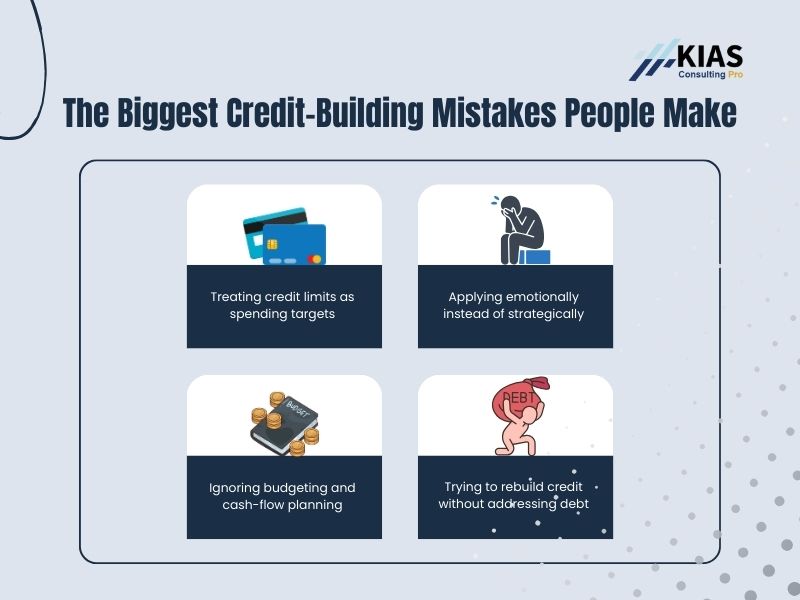
The Biggest Credit-Building Mistakes People Make

Many people struggle with credit, not because they’re careless, but because they were never taught how the system works.

Common mistakes include:

This is why structure matters more than products.

Common credit-building mistakes such as treating credit limits as spending targets and ignoring budgeting

A Smarter, Sustainable Way to Build Credit

Rather than chasing short-term fixes, use this three-step framework.

Step 1: Stabilise Your Cash Flow


When income and expenses are predictable, reliance on credit naturally reduces.

A clear, realistic budget:

👇 Use the Wealthwise Compass Digital Budget Planner to create clarity and control.

Step 2: Reset High-Interest Debt

High balances can quietly hold your credit score back, even if you’ve never missed a payment.

Reducing debt:

👇 Use the Debt Reset Tool to prioritise repayments strategically.

Step 3: Rebuild Credit Intentionally

Once foundations are stable:

Do You Actually Need a Credit Score?

This question doesn’t get asked often enough.

You typically need credit for:

You don’t need credit to:

A strong financial life is built on systems, not scores.

Credit is a tool, not the finish line.

FAQ banner with text ‘Frequently Asked Questions’ for finance and money blog sections.

Q: How long does it take to rebuild credit in the UK?

It depends on the starting point, but most people see meaningful improvement within 6-12 months of consistent behaviour.

Q: Can I build credit without a credit card?

Yes, but progress is often slower. Credit cards remain one of the most widely recognised forms of credit reporting.

Q: Will checking my credit score lower it?

No. Checking your own credit report is a soft check and does not affect your score.

Q: Is one missed payment permanent?

No. Its impact reduces over time, especially if followed by consistent on-time payments.

Graphic with the word “Conclusion” on textured paper background.

A good credit score can open doors, but it’s not the destination.

Real financial progress comes from:

When you focus on those, your credit score usually improves as a by-product.

Helpful Tools

✔️ Clear debt strategically → Debt Reset Tool

✔️ Build clarity and control → Wealthwise Compass Digital Budget Planner


💳 Debt Support Notice: This blog shares general debt-management tips only. For free, personalised support, visit StepChange or MoneyHelper.

Ready to Secure Your Financial Future?

Book a Free 30-Minute Session
Header image for blog post UK Bank Switching 2025: The Best Easy Direct Debit Options. Includes guide highlights like charity donations, Plum, and PayPal.

UK Bank Switching 2025: The Best Easy Direct Debit Options

Looking to grab a UK bank switching bonus in 2025 but don’t have enough bills to set up the required direct debits? Don’t worry, there are quick, low-cost “dummy” options that work just as well. From £1 charity donations to Plum’s weekly depositor and PayPal direct debits, this guide walks you through the easiest ways to qualify, step by step, without breaking the bank.

Read More »

Leave a Comment

Your email address will not be published. Required fields are marked *

Scroll to Top