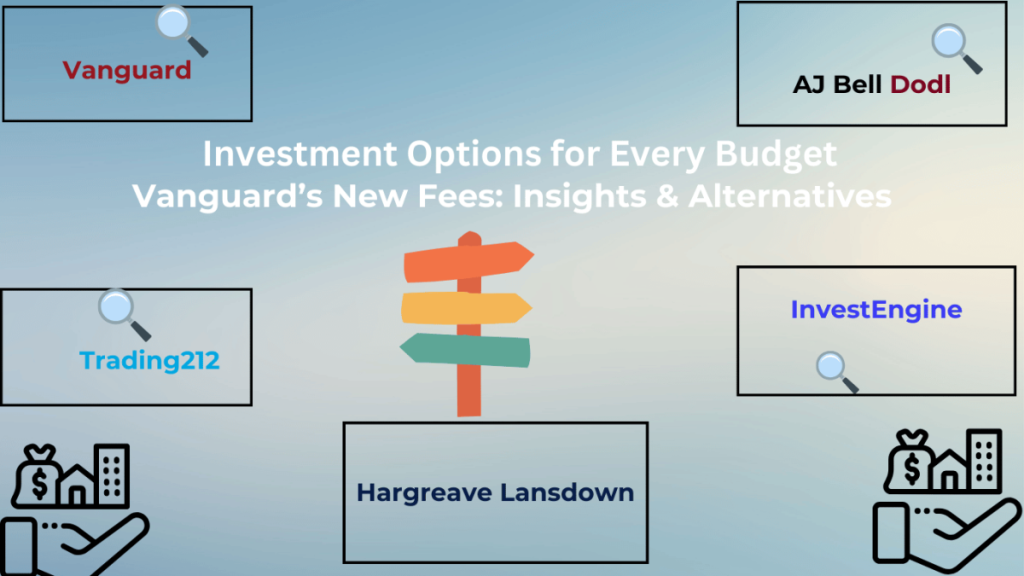


Blog banner for InvestEngine review 2025 featuring Vanguard and InvestEngine logos with headline text

The Truth About InvestEngine – My UK Review After 1 Year (2025)


📈 Investing Notice: This content is for informational purposes only and not investment advice. Investments can go up and down in value. Always do your own research and seek advice from a regulated professional. See full disclaimer.

In this honest review, I’ll walk you through my personal experience using InvestEngine, especially after transferring my SIPP from Vanguard in late 2024. While I’m still a firm believer in low-cost investing, what unfolded over the next few months was a reminder that fees aren’t everything.

But let’s start from the beginning, and don’t worry, I’ll also share:

Why I Switched From Vanguard to InvestEngine

In late 2024, Vanguard introduced a flat monthly fee of £4/month for accounts under £32,000. As someone who regularly teaches that high fees eat into your returns, this change made me reconsider.

Though I had always respected Vanguard for its simplicity and reliability, I decided to switch to InvestEngine, which at the time was offering commission-free investing with zero platform fees for general and ISA accounts,  and had recently started supporting SIPP transfers.

✉️ Related: Vanguard New Fees 2025 – What You Need to Know

My SIPP Transfer Experience: Vanguard to InvestEngine

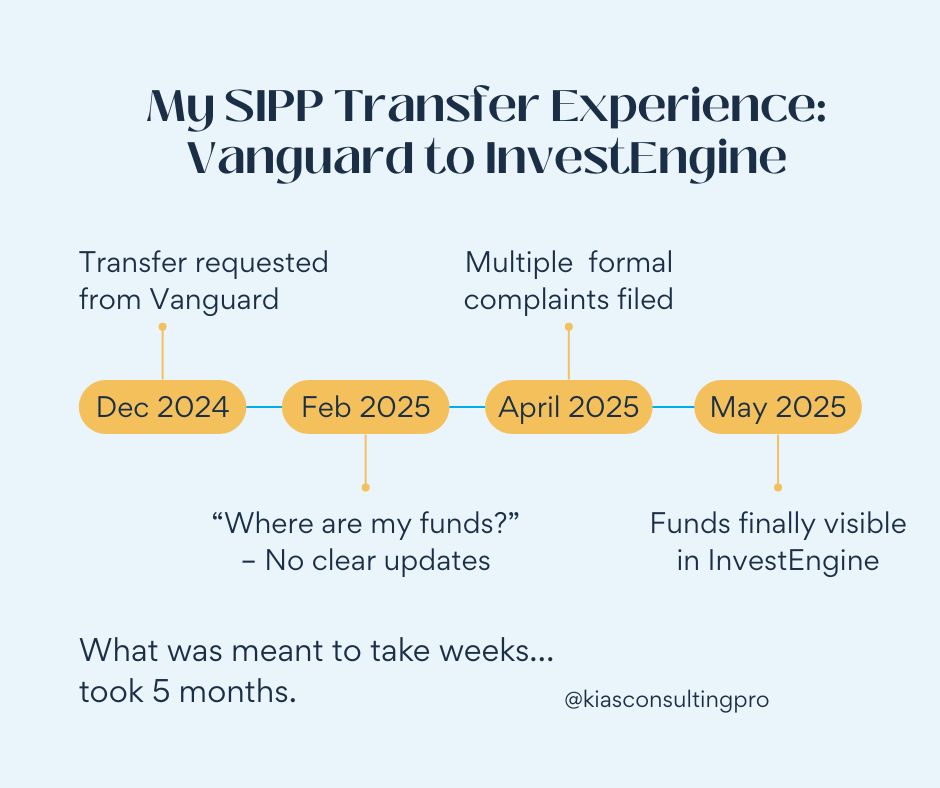
Here’s where things got tricky. I requested the transfer in December 2024, expecting it to take a few weeks. However, it wasn’t until May 2025 that my funds were fully transferred and visible in my InvestEngine account.

Throughout this period:

 I had to chase both platforms repeatedly.

 I received conflicting information.

 There was poor communication and little urgency from InvestEngine.

Eventually, Vanguard admitted that part of the delay was due to two funds not being sold on their end. But this only came after weeks of emails and a formal complaint.

Timeline showing 5-month SIPP transfer process from Vanguard to InvestEngine with complaints filed

Filing a Complaint: How I Got Results


Frustrated, I raised formal complaints with both *InvestEngine and Vanguard.


🔗 Affiliate Disclosure: This post contains affiliate links. This means we may earn a small commission at no extra cost to you. Read our full Affiliate Disclosure for more information.


Despite that, I still escalated both cases to the Financial Ombudsman, and I’m glad I did.

The Role of the Financial Ombudsman (and What I Got)

The Ombudsman reviewed both complaints.

  I had to chase both platforms repeatedly.

  I received conflicting information about where my funds were

  There was poor communication and little urgency from InvestEngine.

Lessons Learned (and Why I’m Giving InvestEngine a Second Chance)

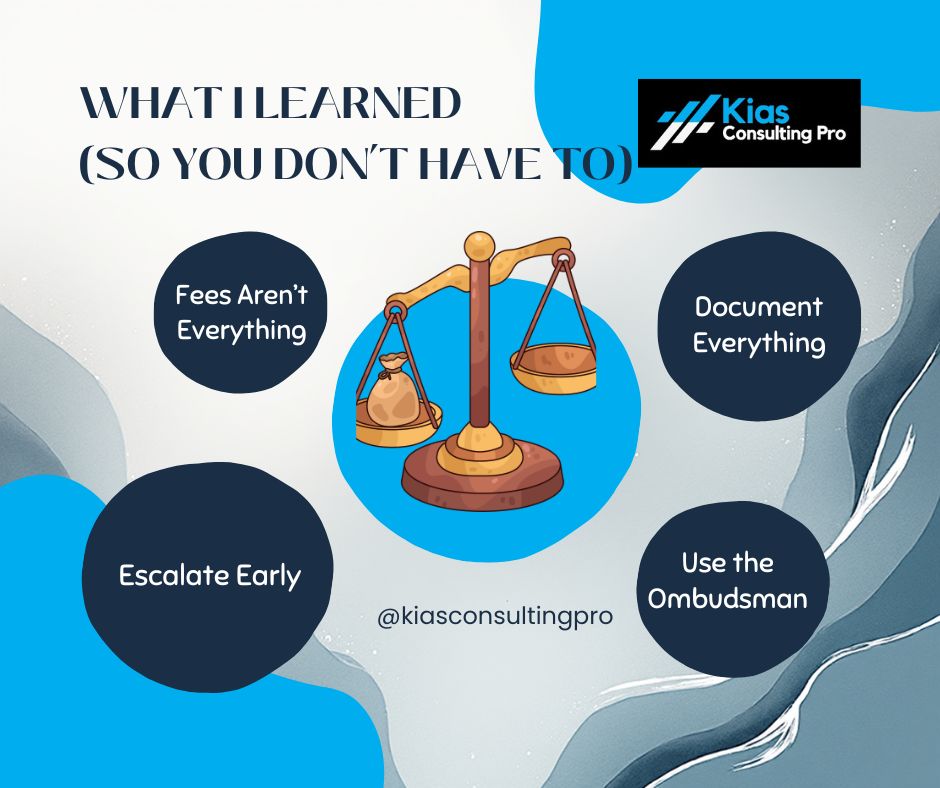
This experience taught me valuable lessons:

Despite the rocky transfer, I don’t want to use one experience to judge a platform entirely. So…

Lessons learned during SIPP transfer process showing key advice bubbles: escalate early, use Ombudsman, document everything

I’m Starting Another SIPP Transfer (Yes, Really)

I’m now preparing to transfer another SIPP,  this time from Hargreaves Lansdown to InvestEngine.

Why? Because I want to give InvestEngine another shot, especially now that they’ve had more time to streamline their pension transfer process.

So yes – consider me your guinea pig. 😉 Wish me luck!

The good news? The actual SIPP transfer application on InvestEngine takes less than 5 minutes to complete online. It’s a simple, guided process that requires just your existing provider’s details and your SIPP account information.

Now, let’s hope the transfer experience this time goes smoothly, no long delays or back-and-forth emails!

If you’re considering a transfer too, I’ve recorded a short walkthrough so you can see exactly how to submit your own SIPP transfer request step by step.

Would I Recommend InvestEngine?

For general investing and ISAs, InvestEngine remains one of the best low-cost platforms out there. The user interface is simple, their ETF options are strong, and you can build portfolios or go DIY.

But for SIPP transfers, my advice is: be proactive and prepared. Stay on top of communication and don’t hesitate to raise issues early.

📉 What People Are Saying About Our Investment Lessons

Ready to Start Your Own SIPP Transfer?

 (in case you need it!)

FAQ banner with text ‘Frequently Asked Questions’ for finance and money blog sections.

Q: What is a SIPP?

A Self-Invested Personal Pension (SIPP) is a type of pension that gives you more control over your investments. You choose where your money is invested and can manage your portfolio yourself.

Q: Can you complain to the Ombudsman about investment platforms?

Yes, if they are regulated in the UK, such as Vanguard or InvestEngine. You must first raise a complaint with the company and wait up to 8 weeks for a response before escalating

Q: What should I do if my SIPP transfer is delayed?

Contact both providers, document all correspondence, and raise a formal complaint if it’s not resolved within a reasonable time.

Q: Do I need financial advice to transfer a SIPP?

Not always. If you’re confident and know what you’re doing, many transfers can be done without an adviser. But always double-check fees, investment options, and risks.

Will my Direct Debits and salary move automatically?

Yes, and payments to your old account are redirected for at least three years (often longer if needed)

Does switching affect my credit score?

The switch itself doesn’t, but closing your oldest account can affect average account age, so keep an anchor account.

Can Plum deposits be withdrawn?

Yes. Plum allows you to withdraw deposited funds back to your bank, making it essentially a cost-free way to create a DD.

What happens if I forget to set up DDs in time?

Most banks give you 30–60 days to activate them. If you miss the window, you could lose the bonus. Always set them up immediately after your switch completes.

Final Word: InvestEngine is promising. But if you’re transferring a SIPP, don’t just compare fees; also compare service, responsiveness, and real user experiences.

Let me know in the comments, would you trust InvestEngine with your pension?

lifetime-isa-contribution-limits-and-bonus-2026-guide-kias-consulting-pro.jpg

Lifetime ISA Contribution Limits and Bonus Explained (2026 Guide)

Understanding Lifetime ISA contribution limits is crucial for maximising your savings in 2026. The annual limit of £4,000 determines how much government bonus you’ll receive—making it one of the most important aspects of your LISA strategy.

In this comprehensive guide, we explain everything you need to know about LISA contribution limits, including how the £4,000 annual cap works, how it fits within your overall £20,000 ISA allowance, and what happens if you contribute too much.

We’ll also explore practical strategies like monthly versus lump sum contributions, when to contribute for maximum growth, and how to coordinate your LISA with other ISAs. Plus, learn about the 2026 Budget update confirming limits remain frozen until 2031.

Whether you’re saving for your first home or planning for retirement, this guide will help you make the most of your Lifetime ISA contribution allowance and maximise your government bonus.

Read More »

Leave a Comment

Your email address will not be published. Required fields are marked *

Scroll to Top