

Introduction
Table of Contents
Toggle 📈 Investing Notice: This content is for informational purposes only and not investment advice. Investments can go up and down in value. Always do your own research and seek advice from a regulated professional. See full disclaimer.
Ever wondered how ISAs can grow your wealth tax-free while helping you keep more of what you earn? In the UK, ISAs (Individual Savings Accounts) offer one of the simplest ways to save and invest without paying tax on your interest, dividends, or capital gains.
According to Gov.uk’s ISA guide, every adult gets an annual allowance to invest up to £20,000 tax-free, a powerful tool for long-term wealth building.
As a financial coach, I’ve seen how many people overlook this simple but powerful tool. Whether you’re a beginner saver or an experienced investor, an ISA (Individual Savings Account) gives you the chance to let your money work for you, tax-free.
Imagine earning interest, dividends, or growth on your investments without the taxman taking a slice.
That’s the quiet power of an ISA, and why every smart investor in the UK should have one as part of their financial plan.
In this guide, we’ll unpack how ISAs work, the types available, and how you can use them to build lasting wealth. By the end, you’ll understand how to make your money grow while keeping more of what you earn.
What Is an ISA?
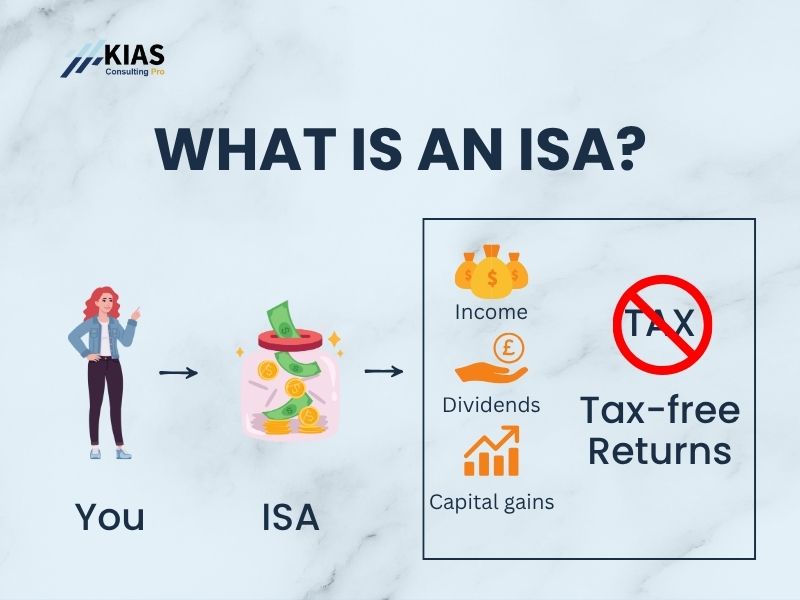
An ISA, or Individual Savings Account, is a financial product available to UK residents that offers a tax-free way to save or invest money. Unlike standard savings accounts or investments, ISAs protect your returns from three types of taxes:
- Income Tax: No taxes on the interest earned from your savings.
- Capital Gains Tax: Profits from investments in Stocks & Shares ISAs are tax-free.
- Dividend Tax: You keep 100% of your dividends within an ISA.

Each tax year, you can save or invest up to £20,000 in ISAs (2024/25 limit), making it a powerful tool for both short-term and long-term financial goals.
Types of ISAs: Choose What Works for You
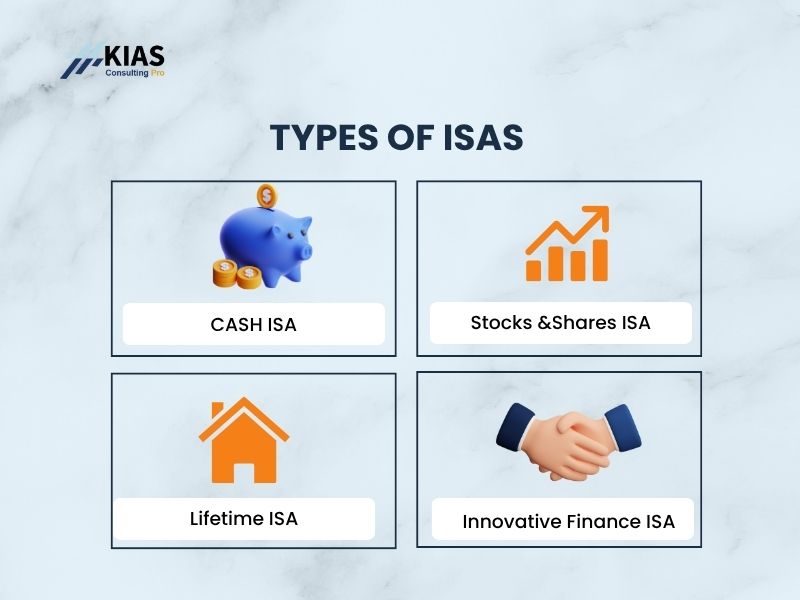
The beauty of ISAs lies in their flexibility. There’s an option for nearly every financial need:
- Cash ISA: Ideal for those who prefer low-risk savings with guaranteed growth through tax-free interest.
- Stocks & Shares ISA: Perfect for investors seeking higher returns through stocks, bonds, and other assets. To understand the Stocks & Shares ISAs, check out MoneyHelper’s guide to Stocks and Shars ISAs
- Lifetime ISA (LISA): Designed for first-time homebuyers or retirement savings, with a 25% government bonus on contributions.
- Innovative Finance ISA: For those exploring peer-to-peer lending and other alternative investments.
Whether you’re saving for a rainy day, investing for retirement, or aiming to buy your first home, ISAs offer a tailored solution.

Emergency funds & ISAs: You can hold your emergency fund in an easy-access Cash ISA so the interest is tax-free and your money stays available.
Pro Tip:
Avoid locking this pot in fixed-term Cash ISAs where early withdrawals can lose interest. A Lifetime ISA isn’t suitable for emergencies (25% withdrawal charge unless buying your first home or after age 60). A Stocks & Shares ISA also isn’t ideal for emergencies because market values can fall just when you need the money.
Key Benefits of ISAs
So, why should you prioritise ISAs in your financial planning? Here are the standout benefits:
- 💸 Tax-Free Growth: Every pound you earn stays in your account.
- 📈 Flexible Options: Choose savings, investments, or both, depending on your goals.
- 💷 Generous Allowance: Save or invest up to £20,000 per year.
- 🎁 Government Boost: Enjoy bonuses through Lifetime ISAs.
- 🔒 Secure Savings: Cash ISAs are protected by the FSCS up to £85,000.
Who Can Open an ISA?
To open an ISA, you must be:
- A UK resident.
- Over 16 years old for a Cash ISA or 18 for other types.
Parents can also open Junior ISAs for children under 18, making ISAs a great way to teach kids about money and secure their future.
Why It’s Time to Start Now

The earlier you take advantage of ISAs, the more you can benefit from tax-free growth and compound interest. Whether you’re a cautious saver or a savvy investor, ISAs provide an efficient way to build wealth without worrying about tax implications.
💡 Try it yourself: Wondering how your ISA savings could grow over time? Use the interactive calculator below to estimate how your money can compound tax-free. Adjust your monthly contributions, interest rate, and years to see the difference consistency makes.
💡 Compound Interest Calculator
Ending balance: —
Total contributions: —
Total interest: —
Real (inflation-adjusted) balance: —
📊 Yearly summary
| Year | Start Balance | Contributions | Interest | End Balance |
|---|
🚀 Tip: The earlier you start, the more time your money has to grow through compound interest. Even small amounts invested regularly can make a big difference over time.
💡 Pro Tip:
Don’t wait until the end of the tax year to max out your ISA allowance. Contribute regularly to take advantage of market opportunities and smooth out investment risks over time.

Understanding how ISAs can grow your wealth tax-free isn’t just about avoiding tax, it’s about creating freedom. The earlier you start, the more time your savings have to compound and work for you. Even small, consistent contributions can lead to significant long-term growth.
Whether you use a Cash ISA for short-term security or a Stocks and Shares ISA for long-term investing, what matters most is getting started.
💡 The best time to start investing was yesterday. The second-best time is today.
Want to explore how this fits into your financial plan? Read my Lifetime ISA comparison guide or message me to learn more.

UK Bank Switching 2025: The Best Easy Direct Debit Options
Looking to grab a UK bank switching bonus in 2025 but don’t have enough bills to set up the required direct debits? Don’t worry, there are quick, low-cost “dummy” options that work just as well. From £1 charity donations to Plum’s weekly depositor and PayPal direct debits, this guide walks you through the easiest ways to qualify, step by step, without breaking the bank.
The Power of Compound Interest: How Small Savings Grow into Big Wealth
Compound interest is often called the “eighth wonder of the world.” Discover how it works, the importance of starting early, and how to integrate it into your UK savings and investment strategy.

Best UK Bank Switching Offers 2025 (and How to Qualify)
Looking to cash in on the best UK bank switching offers for 2025? This guide covers the top bonuses from TSB, Barclays, NatWest, HSBC, and more, plus tips on eligibility, dummy accounts, and tracking your rewards with my free Debt Tracker Toolkit.

How to Earn £310 in UK Switching Bonuses Using a Dummy Account
Looking to cash in on the best UK bank switching offers for 2025? This guide covers the top bonuses from TSB, Barclays, NatWest, HSBC, and more, plus tips on eligibility, dummy accounts, and tracking your rewards with my free Debt Tracker Toolkit.

Best Savings Accounts UK (October 2025): Top Rates Now
Best savings accounts UK (Aug 2025): Following the Bank Rate cut to 4.00%, this guide highlights today’s top easy-access, Cash ISA, notice and fixed options. It explains a drip-feed strategy (lump sum + regular saver) and PSA vs ISA tips so you keep more of your interest, tax-efficiently.

Vanguard Review 2025: What You Need to Know About Fees & Funds
Vanguard review 2025 for UK investors: fees explained (£4/month under £32k; 0.15% cap above), beginner-friendly funds (LifeStrategy, Target Retirement, global index/ETFs), and when to consider alternatives. Includes quick links to ISA, Junior ISA, ETF and pension-transfer guides.